
Historic Surveys
Older properties require a more detailed inspection with specialist knowledge in historic buildings and their construction. Before starting Hughes Surveyors in 1999 I worked for Portsmouth City Engineers conserving and surveying their historic buildings. For the last 25 years I have been inspecting many historic buildings in Dorset, Hampshire, Devon and Wiltshire and have a wealth of knowledge to provide you with a detailed survey of your dream home.
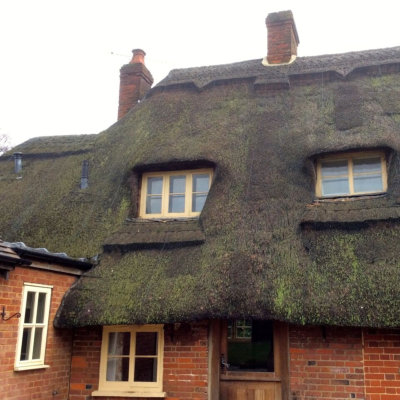
Thatch
Thatch roofs are typically of reed material, which is preferred to long straw due to its durability.
Thatch roofs vary in durability based on pitch, exposure to weather, material and maintenance.
Renewing the ridge of a thatch every 15 years is recommended.
Chimney and flue regulations are an important part of the inspection, as this is the most common cause for thatch fires.
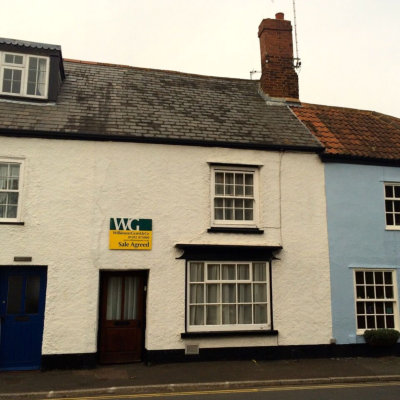
Cob Walls
Cob walls were formed using local earth mixed with sand and straw. Cob is a strong durable construction method that will last a long time if properly looked after. Some key points to look out for are:
- Cement render on walls.
- Inadequate ground drainage.
- Small roof overhang or eaves.
- Voids caused by rats.
- Cracking at junctions.
There is an old Devon saying that “all cob needs is a good hat and a good pair of boots”.
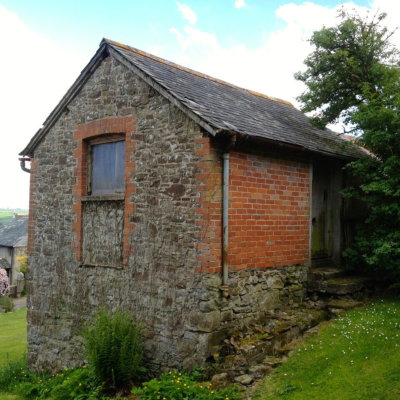
Damp Solid Walls
Older buildings were constructed with solid walls and no damp course. They were designed to dry out naturally by evaporation or air circulation.
It is important to check that cement render or plaster has not been applied as this stops the evaporation process. Good external surface water drainage is also vital to ensure that damp is not sitting on the base of the wall or foundations.